I often get asked what I use to record my podcast, as well as the podcasts I create for clients, and I thought it might be helpful to create a comprehensive list of the gear I use and explain a little bit about how/why I use it! (A link to my Amazon Storefront with all these items is at the bottom of the post!)
The Zoom PodTrak is the perfect recorder to get going. The fact that it can be battery operated makes it hyper-mobile and with 4 inputs there is plenty of room for everyone to be on the recording. It has a super simple interface and a beginner-friendly setup process. It will have you recording in no time!
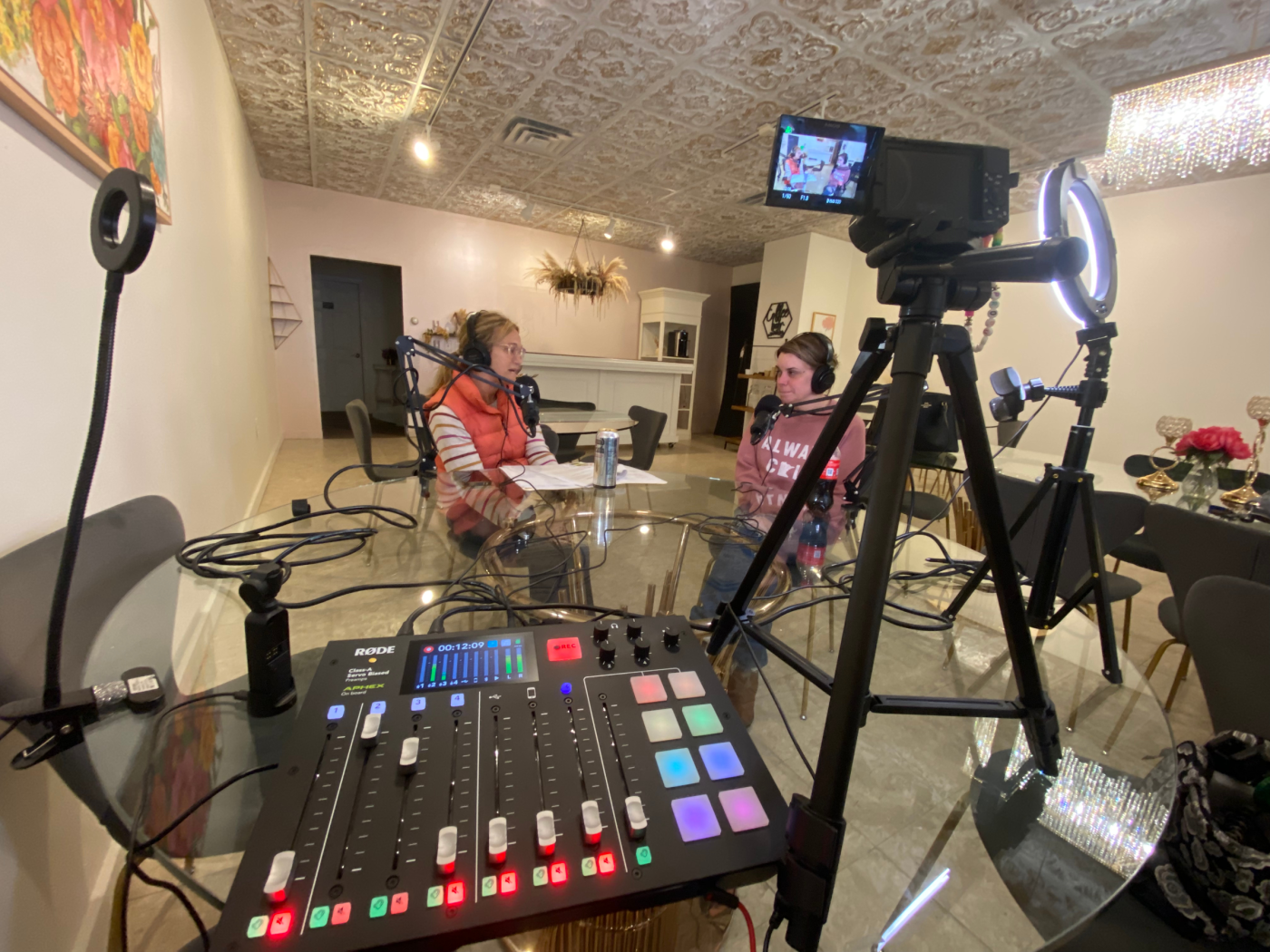
The RodeCaster Pro II is the next level up in your podcast production game. With a bigger body and touchscreen interface it is built for more of a stationary studio environment, but a good sturdy carrying case will make this recording monster mobile. If you are a podcaster on the move protecting your gear is mission critical.
The Zoom ZDM-1 Podcast Mic has served me and my clients well in our podcasting journeys. A broadcast-quality microphone at an entry-level price, this dynamic microphone will make you sound like a true professional. The added bonus of headphones in this kit is a nice touch.
The Rode Podmic has been my new go-to for a studio recording sound in any environment. Just slightly higher in cost than the Zoom mic, tt features an internal pop filter to minimize plosives and has a small profile that looks great on video recordings.
You will need lots and lots of cables. These XLR cables are a staple in my gear bag and I never leave home without them. I have gotten to the point where I am stashing them in every bag, and nook and cranny of rooms that I frequent.
I have three pairs of Beats Solo headphones and they are all over 10 years old. The best part is that they all still work like brand new. The wear and tear these things can take is unmatched, for them to work like new after being used almost every single day for a decade is a true testament to a great product. These headphones are comfortable, and with the option of being wired or wireless, they will take you from recording to editing.
Tabletop mic stands are a must to minimize the noise of holding the microphone during podcasts. These stands are rugged and have easy setup and tear down, plus they are relatively cheap. Boom arm stands are my go-to for long recording sessions with their flexibility to allow guests to get cozy in their seats. They are also great for permanent podcast setups that don’t need constant setup and tear-down.
Buy two packs of these headphone adapters. They’re cheap and you will lose them.
Podcast and video podcast editing takes up lots of space. This slim-profile external hard drive has been my go-to. You will also be juggling a lot of SD cards and this compact holder has been a game changer for my digital organization.
For video recordings of podcasts, I use my Sony Zv1 camera. This camera has been an overall pick for content creators for years and I swear by it. The flip-out screen makes monitoring easy from any angle. Extra batteries are key to getting the most out of the Sony Zv1 during a long recording session, as the camera does tend to overheat. Swapping the battery helps with that problem. This multi-pack and charger have changed my workflow for the better!
My backup camera is a DJI Osmo Pocket. I have the first edition but the new DJI Osmo Pocket 3 just came out and it has been supercharged for excellence. The small profile of this camera makes it great to bring as a backup because it takes up almost no space in a gear bag. And having a gimble that fits in your pocket is such a luxury.
Lighting is crucial when doing a video podcast. A good ring light goes a long way in increasing the quality of your product. Pick up a couple and make sure your podcast hosts are looking like a million bucks!
 The Small Town Tourist
Leave a comment